
Peru
Democracy and Governance
Training newly-elected mayors to strengthen local governance in Peru
Impact
News and Insights
DAI Advisory and Research Services, in partnership with the NGO Grameena Abyudaya Seva Samsthe (GASS), is implementing the Self Help Plus (SH+) program in India. This initiative, designed by the World Health Organization (WHO), provides mental health care for women with mild to moderate depression. This pilot test targets 1,050 women from the city of Doddaballapura near Bangalore, India, and will be subjected to an initial impact assessment to draw lessons from this method.
Project led by:
According to the WHO, depression affects around 5% of adults worldwide. In low- and middle-income countries, people with depression face additional barriers to accessing care, and more than 75% of them receive no treatment at all. These common barriers to low- and middle-income countries include:
Researchers involved in this program conducted a preliminary study to identify mental health needs in the district where the project is being deployed. They found that between 10% and 24% of adults had some form of depression (Angelucci and Bennett, 2023). In addition, they pointed out that depression has economic repercussions that contribute to perpetuating individual poverty such as slower adaptation to new technologies, increased job absenteeism, less investment in their children, and a diminished ability to cope with economic shocks.
Self Help Plus (SH+) is a group-based programme for people experiencing common forms of psychological distress, such as depression, anxiety, or stress, in low- and middle-income countries. The programme consists of weekly sessions of two hours — 10 hours of intervention in total over five weeks — delivered by non-specialist facilitators trained by mental health professionals. This approach helps address the shortage of trained professionals while expanding access to support.
This therapy model has already been tested in various African and European countries among different groups (including asylum seekers, refugees, and healthcare professionals), but the evidence remains mixed. Some studies highlight positive effects on mental health six months after participation (Acaturk et al., 2022; Turrini et al., 2022), while others show immediate effects that diminish after six months.
The project enabled the intervention to be adapted to the rural Indian context through the translation of materials, the use of examples drawn from participants’ daily lives, and interactive methods such as role-play and practical exercises. The group-based approach also plays a key role in creating a safe space and sfostering exchange and mutual support among participants.
By the end of the project, the Self Help Plus intervention had been rolled out to 1,050 women across five rural cohorts, with high uptake: 92.5% of participants attended at least one session, and 80% attended three or more sessions. These figures demonstrate the intervention’s high level of social acceptability. Although the project was not designed as a full impact evaluation, the final survey’s results reveal encouraging effects on participants’ mental health and economic behaviors.
In particular:
The team also faced several operational challenges, including:
In response, the project team adapted the programme in real time: sessions were rescheduled to mornings or Sundays, and referrals to local psychiatrists were organized for more severe cases. The group format played a central role: participants gradually found in these sessions a space where they felt safe to open up about their difficulties, the first time for many of them. The presence of facilitators from local communities, familiar with the realities and constraints of each village, was also essential in sustaining participant engagement over time.
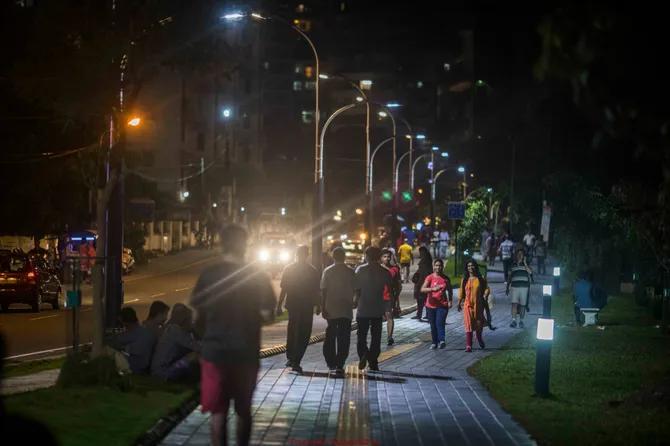
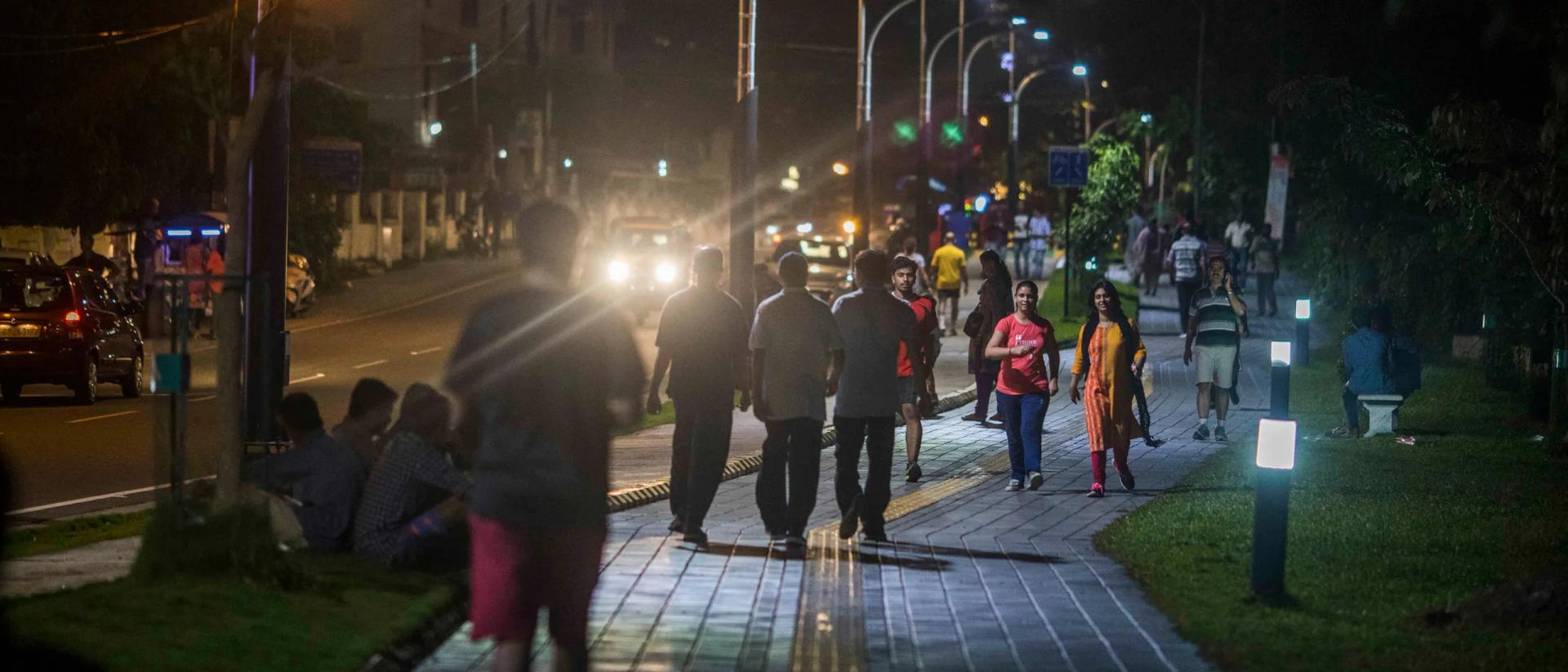
Photo credit : ©Prashanth Vishwanathan
Projects
Projects funded by FID
Peru
Democracy and Governance
Training newly-elected mayors to strengthen local governance in Peru

India
Democracy and Governance
Strengthening the political agency of women elected to local government in India

Mexico
Women-men equality
Changing perpetrators' behavior to prevent violence against women in Mexico