
Peru
Democracy and Governance
Training newly-elected mayors to strengthen local governance in Peru
Impact
News and Insights
Artistic expression and theater in particular can be used to address specific social issues. The Indian NGO Mittika has developed a singular training that will serve to question police officers in the state of Bihar about the dynamics of violence and systems of domination, and, beyond that, about gender stereotypes. FID’s funding will enable the project team to evaluate the gender-sensitization training program by conducting surveys with police officers and victims and study the changes in prevailing social norms induced by the program with regard to gender-based violence.
Project led by:
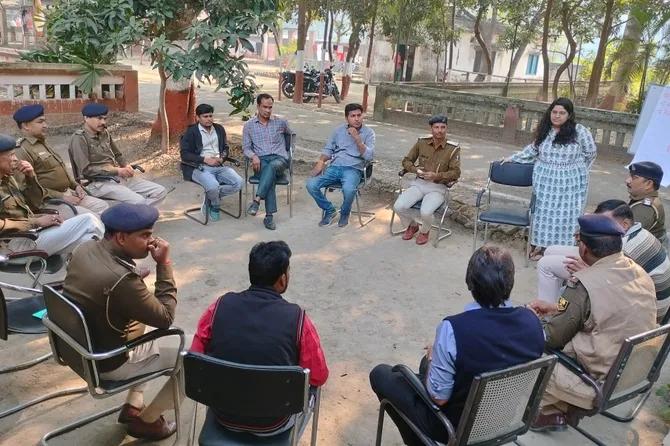
The eastern Indian state of Bihar has one of the highest rates of gender-based violence in the country, and policy measures to address this reality are very limited. More than 20,000 cases of violence against women were registered in 2022 in the state (National Crime Records Bureau, 2023).
As a result, women’s level of trust in institutions is very low: cases of Gender-Based Violence are rarely registered with the competent services, perpetrators go unpunished, and situations persist.
The baseline survey conducted at the beginning of the project across 12 districts in Bihar showed evidence of gender bias among male officers:
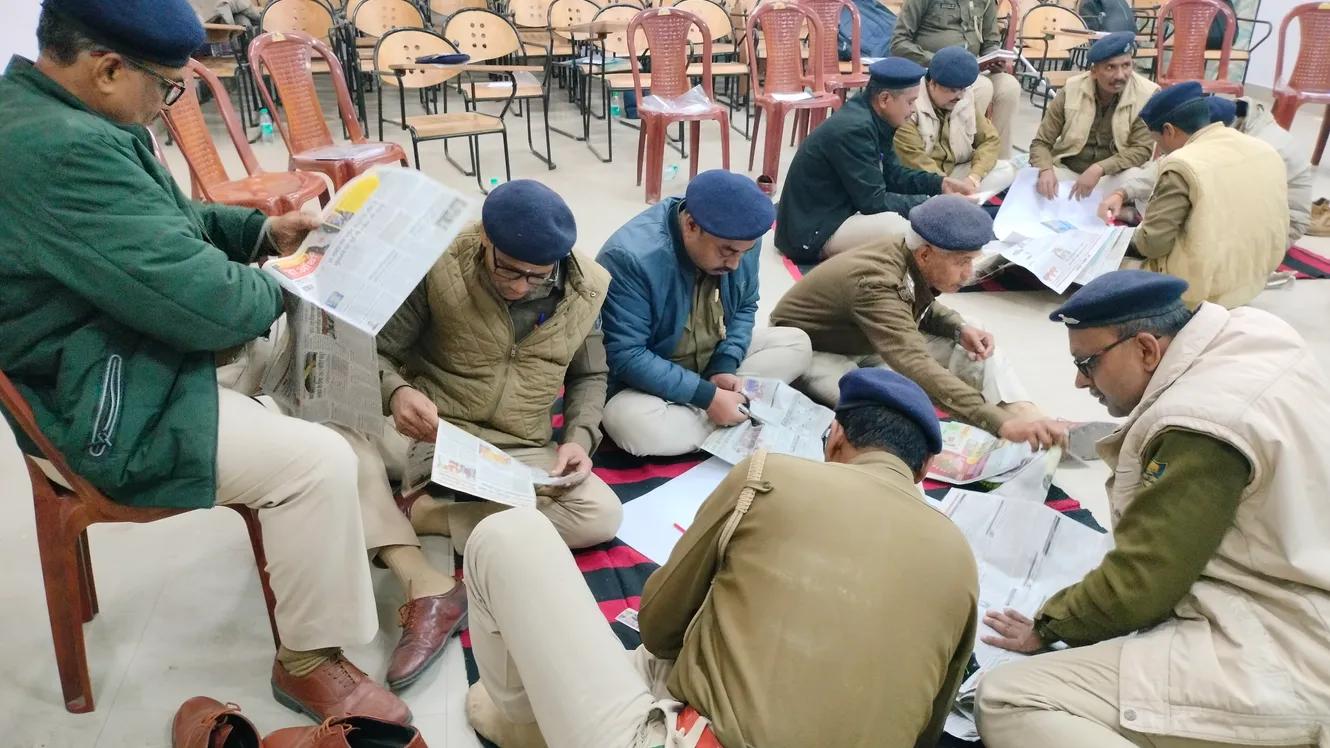
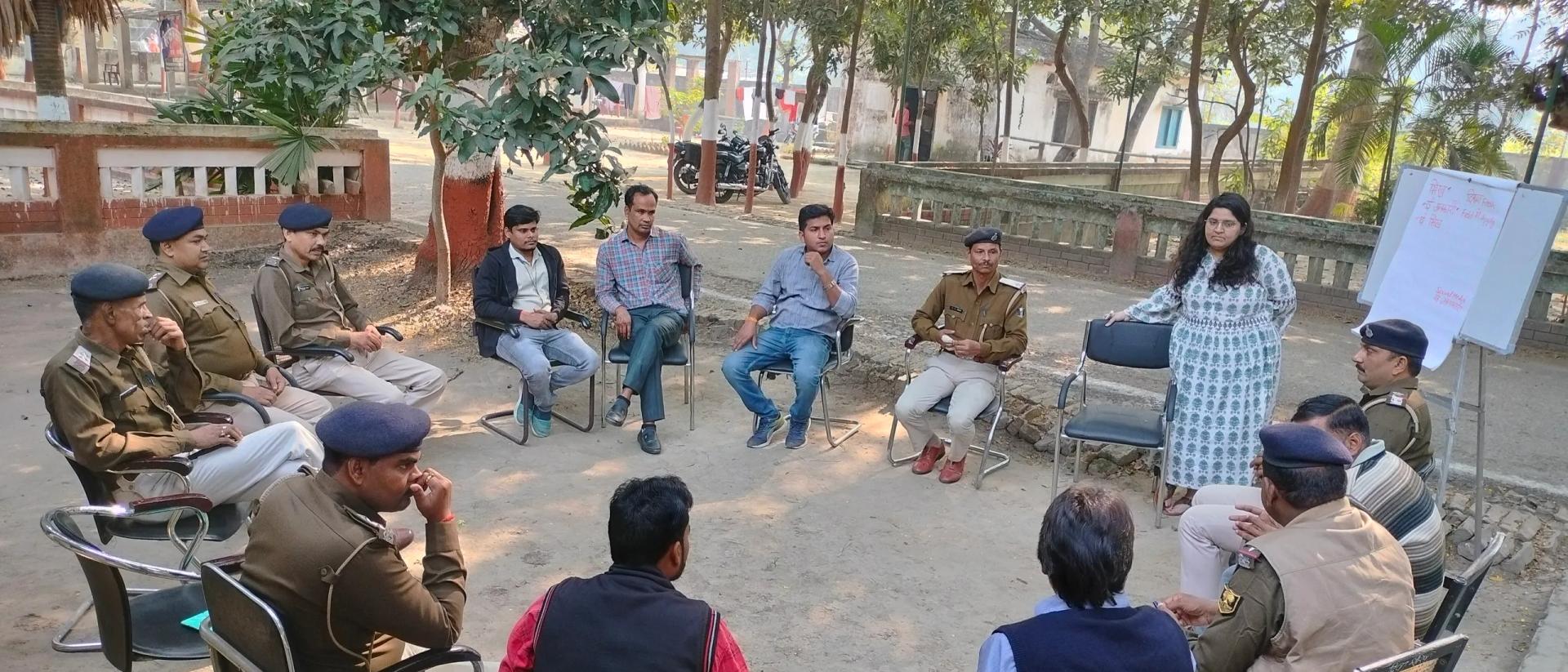
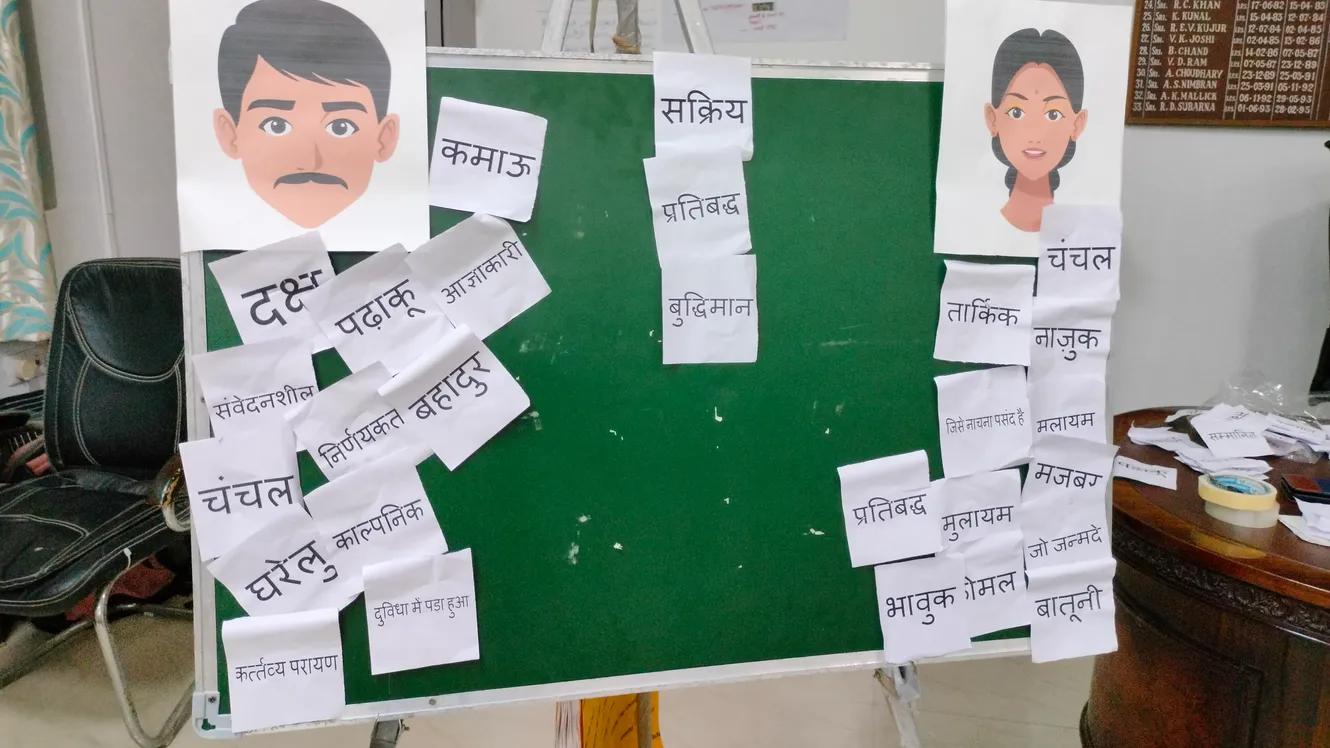
In an attempt to curb the growing curve of gender-based violence, the training developed by Mittika aims to sensitize police officers on this type of violence through techniques that combine expressive arts and theater combined with knowledge from behavioral science.
It emphasizes immersive, experiential learning methods that have proven effective across diverse contexts in multiple studies. The program was designed over a two-year period in close collaboration with senior officials from the Bihar Police, legal experts, and seasoned theatre practitioners with prior experience working alongside state police forces.
The program includes approximately 35 hours of training. Sessions are conducted with groups of 25 officers. Each session is led by two expert-facilitators in teaching expressive arts.
For more details on the tools developed during the project, see our article.
Through FID’s funding, DAI Research & Advisory Services, in partnership with the state of Bihar, conducted a randomized control trial in 419 police stations (close to 3000 officers serving 42 million citizens) in the 12 study districts, covering 37% of the police stations in the state of Bihar. The evaluation aimed to assess the impact of the training on police performance, mindset of officers, and measure how these changes may improve women’s experience with institutions.
The project team collected data from several sources:
Preliminary results from the surveys, in February 2026, six months after the intervention, show that trained officers exhibit significant improvements in skills and attitudes toward GBV (+ 0.1 standard deviations), which include victim-blaming, empathy, views of GBV, externalizing police responsibilities, and truthfulness of complaints. The intervention also led to greater technical skills (+0.1 SD) measured as an index including the ability to identify GBV, and improved legal knowledge.
The results of the "decoy survey" revealed that, one year after the intervention, standardized victim has revealed substantial improvements in officers’ responses to women seeking help: trained officers are significantly less likely to dismiss complaints as a waste of time (-0,07 SD), claim cases are false (-0,08), blame the victim (- 0,15 SD), or ask unnecessary questions (-0,14 SD).
More generally, the police officers are more likely to refer complainants to appropriate services and explain available alternatives clearly (+0,08 SD). Furthermore, effects are strongest among officers with more regressive attitudes regarding gender norms before the intervention. The persistence of these effects one year after training suggests that impacts are durable and reflect meaningful changes in professional practice rather than short-lived survey responses.
The results also showed effective spillover effects:
These findings contribute to the literature on state capacity by demonstrating that unlike reforms that rely on changing personnel composition or creating parallel institutions, this type of intervention that operates within the existing hierarchy, on socio-emotional skills, attitudes and norms, can contribute to public sector performance.
Research team:
Projects
Projects funded by FID
Peru
Democracy and Governance
Training newly-elected mayors to strengthen local governance in Peru

India
Democracy and Governance
Strengthening the political agency of women elected to local government in India

Mexico
Women-men equality
Changing perpetrators' behavior to prevent violence against women in Mexico