
Peru
Democracy and Governance
Training newly-elected mayors to strengthen local governance in Peru
Impact
News and Insights
In order to complete the school supply and durably improve learning outcomes in Senegal, the NGO Bibliothèques Sans Frontières is rolling out an offline internet solution in 70 schools in the Kédougou region. FID's funding supported both this roll-out and an evaluation of its impact, covering more than 6,000 students and 130 teachers over two school years.
Project led by:
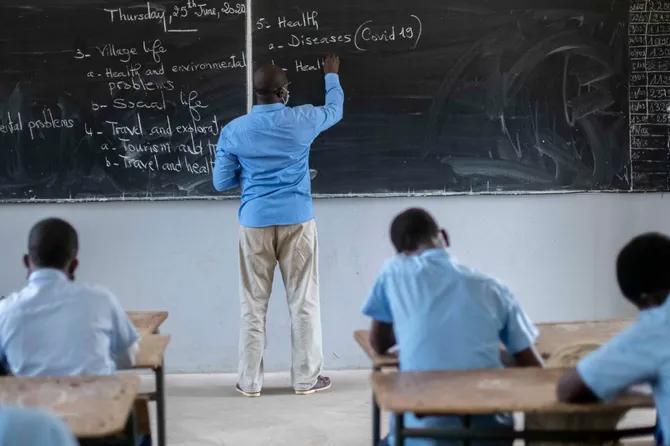
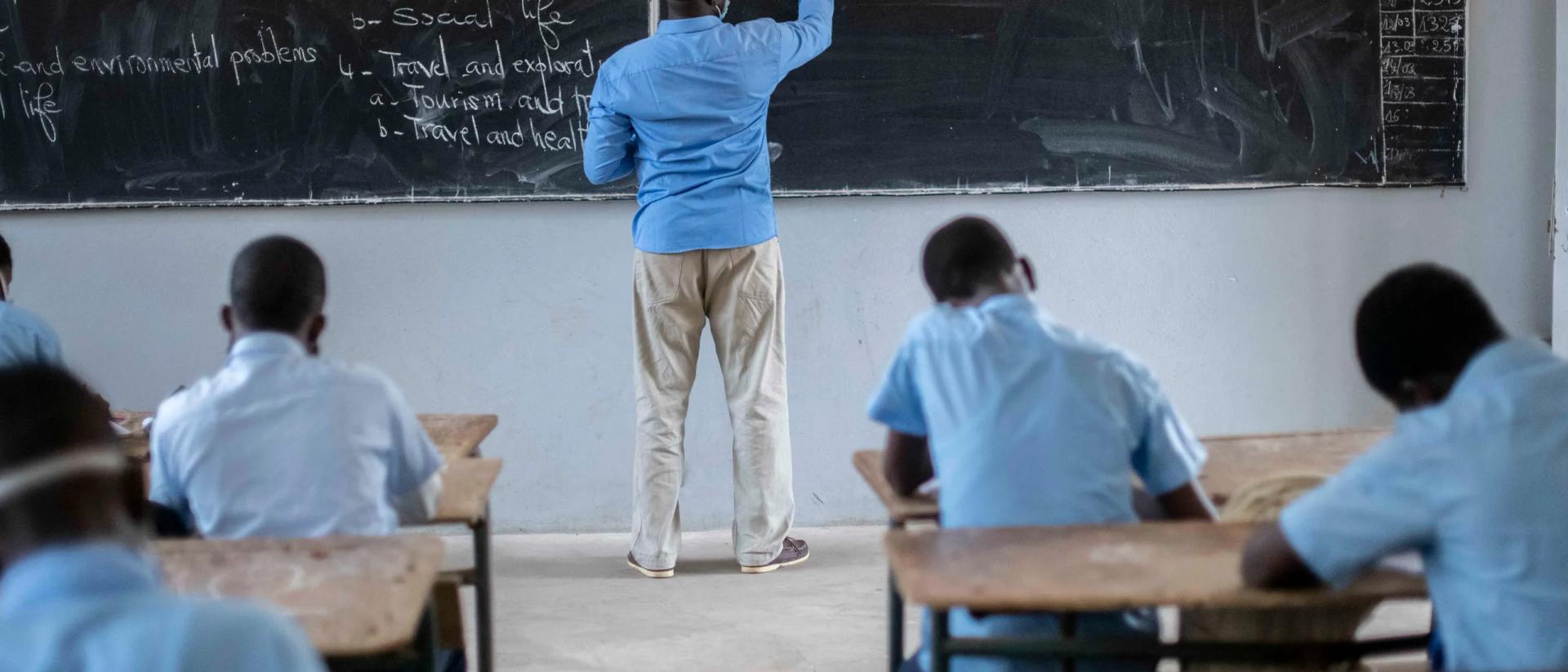
The challenge of getting children into school remains a Getting children through school remains a major challenge across the African continent. With only 69% of students completing primary school, the continent has the lowest school completion rate of any region in the world. In Senegal, the rate stands at 61% (World Bank, 2021). In addition, 74% of children in Senegal experience low levels of learning (World Bank, 2019).
Despite improvements in enrolment rates and learning conditions at the national level in Senegal, inequalities across the country remain stark, and the quality of teaching is a key issue for public policy. In the Kédougou region, in the far south-east of the country, more than 2.1 million students face particularly unfavourable schooling conditions, due to a lack of suitable teaching materials, undertrained teachers, wide disparities in levels within classrooms, and limited access to internet to enrich lessons. To illustrate the scale of the issue, a child in Senegal receives 7.3 years of education on average, but only 4.8 years once adjusted for the actual quality of learning (World Bank, 2020).
Drawing on its experience in many countries, the project led by Bibliothèques Sans Frontières is built around three complementary components designed to address the learning gaps observed:
The intervention funded by FID enabled the roll-out of the "Ideas Cube kit" — tablets, computers, projectors, Kajou SD cards, and solar panels — in 70 schools in the Kédougou region. Its impact was evaluated through a randomised controlled trial, comparing these beneficiary schools with a control group of 70 schools. Throughout the two years of the project, teachers also received close, ongoing pedagogical support from Bibliothèques Sans Frontières facilitators, who visited each school once or twice a month to help them adopt the tools.
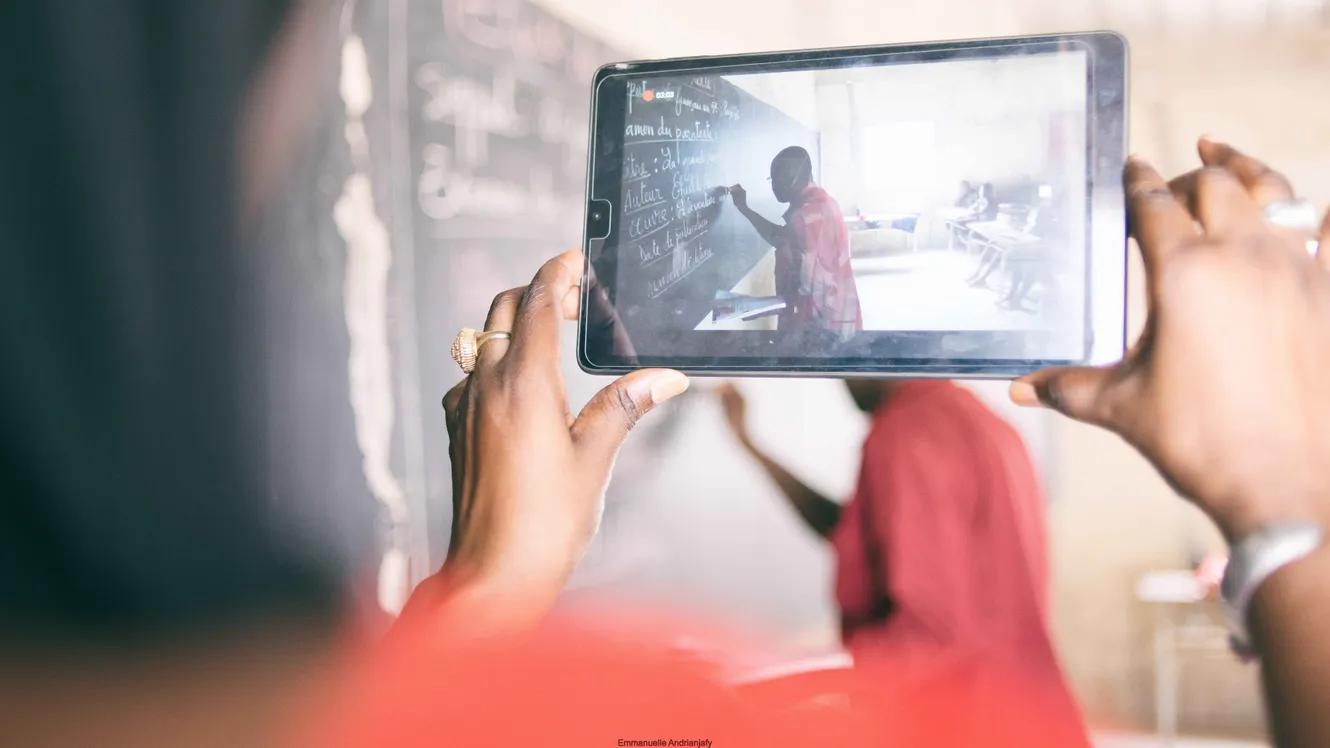
The evaluation was carried out in 140 primary schools in the Kédougou region (70 beneficiary schools and 70 control schools), tracked over two school years, covering 130 teachers and close to 6,400 Grade 3 and Grade 5 students (CE2 and CM2).
The results show sustained use of the digital kit over time: after a strong initial uptake, use stabilised in the second year, with a 50% increase in digital tool use for lesson preparation and a 200% increase in classroom use. Teachers' digital skills improved significantly (+0.35 standard deviations).
For students, the effect depends heavily on whether schools have electricity: in schools with electricity, test scores improved by 0.3 to 0.5 standard deviations, compared with a null effect elsewhere, particularly due to insufficient tablet charging capacity. This finding highlights the essential complementarity between infrastructure and digital tools.
The evaluation then points to an important caveat:
Projects
Projects funded by FID
Peru
Democracy and Governance
Training newly-elected mayors to strengthen local governance in Peru

India
Democracy and Governance
Strengthening the political agency of women elected to local government in India

Mexico
Women-men equality
Changing perpetrators' behavior to prevent violence against women in Mexico