
Peru
Democracy and Governance
Training newly-elected mayors to strengthen local governance in Peru
Impact
News and Insights
Comprehensive sexuality education allows adolescents to receive information, attitudes, and competencies to make healthy and informed decisions through adolescence. Malagasy adolescents’ limited access to this education is a contributing factor to numerous early pregnancies in the country. To change this reality, the organization Projet Jeune Leader (PJL) has developed a holistic comprehensive sexuality education program led by their specialized educators for public middle schools. Funding from FID will allow testing of an adaptation of this program – led for the first time by teacher-candidates – to promote progressive institutionalization of comprehensive sexuality education in rural areas of the country.
Project led by:
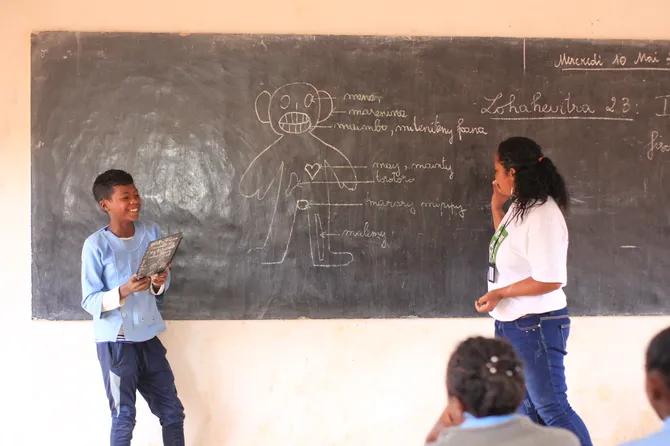
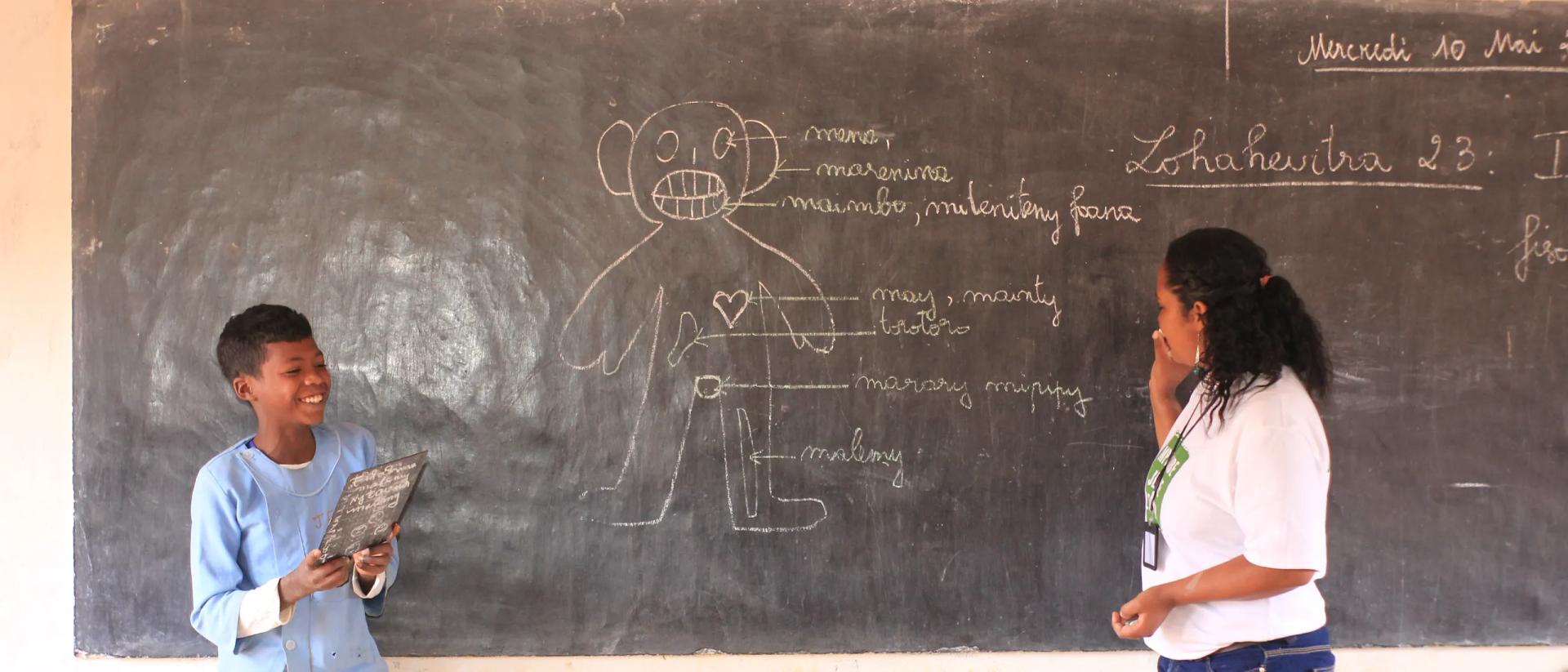
According to the Madagascar Ministry of health, 32% of girls become pregnant before adulthood. These early and often unwanted pregnancies contribute to young women’s exclusion from education and work and keep them in poverty.
This points shows how difficult it is for young Malagasies to access sexual and reproductive health information and services.
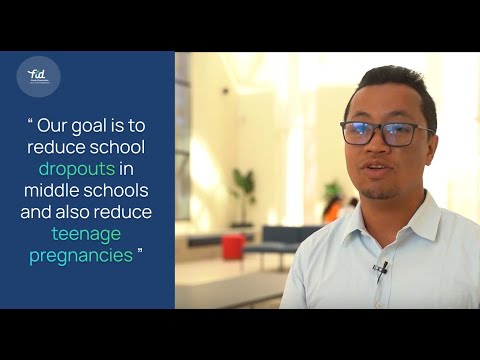
The project designed by PJL is based on the principle that in-school comprehensive sexuality education effectively contributes to the adoption of healthy attitudes and behaviors and therefore to the prevention of early pregnancies. The organization has developed a comprehensive sexuality education (CSE) program that is multi-component, led by a highly trained, specialized, dedicated and supported educator to promote behavior change and norms change among young adolescents in the school setting (public middle schools) over the duration of a school year. In partnership with the national Ministry of education, these specialized educators are integrated as members of the public-school personnel throughout the school year.
FID is supporting PJL, working in close partnership with the national Ministry of Education of Madagascar, to pilot the implementation of their CSE program by teacher-candidates in public rural middle schools.
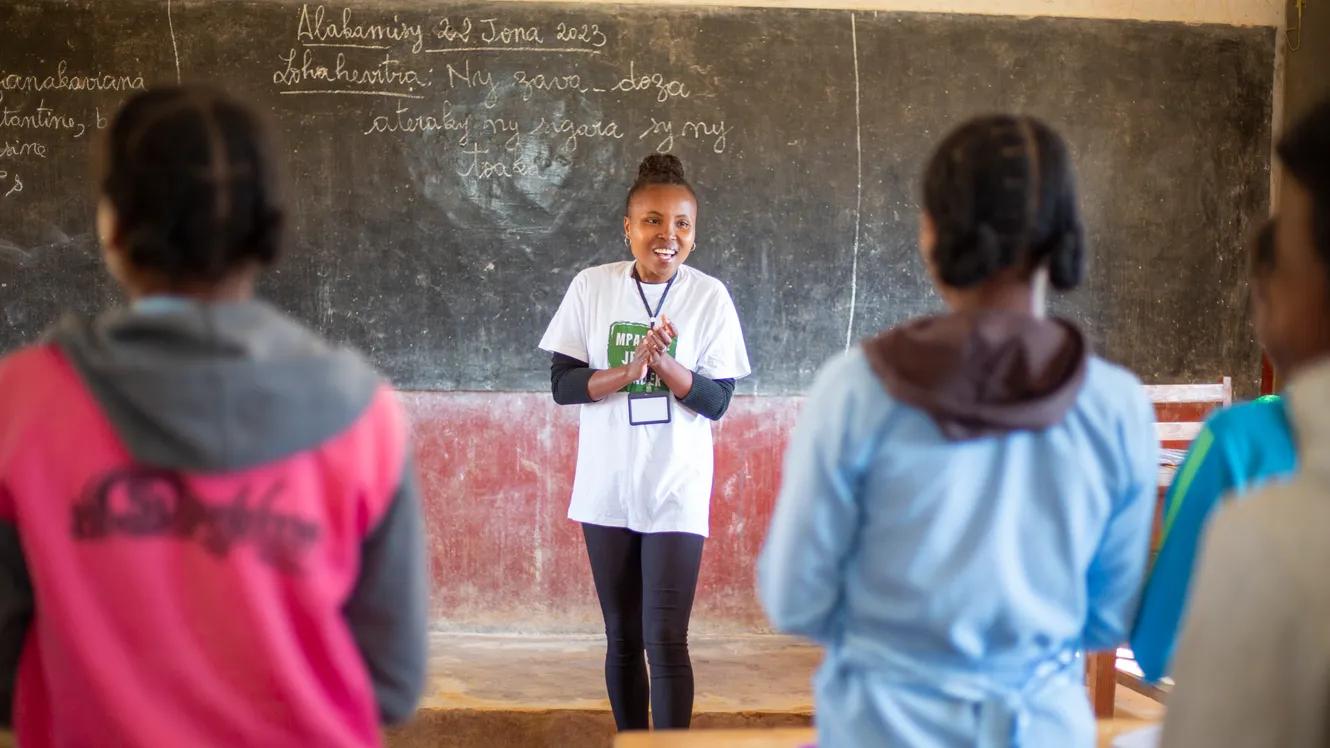
This comprehensive sexuality education (CSE) program was implemented in the Haute Matsiatra region with 113 student teachers, who trained 19,130 students in 97 state primary schools in rural areas.
It was evaluated using a combined approach, based on a quasi-experimental, quantitative assessment conducted before and after the program, and a qualitative survey of randomly selected students upon its completion. The goal was to assess the program's impact on students and teachers, in terms of both the knowledge gained and changes in attitudes.
The findings are promising :
The project was deemed feasible and, from September 2025, it was expanded to 1,700 rural secondary schools across 16 regions of Madagascar.
Projects
Projects funded by FID
Peru
Democracy and Governance
Training newly-elected mayors to strengthen local governance in Peru

India
Democracy and Governance
Strengthening the political agency of women elected to local government in India

Mexico
Women-men equality
Changing perpetrators' behavior to prevent violence against women in Mexico