
Peru
Democracy and Governance
Training newly-elected mayors to strengthen local governance in Peru
Impact
News and Insights
Arba Minch University proposes to improve the production of legume crops and livelihoods in southern Ethiopia by using an alternative method of supplying nutrients: rhizobacteria that enhance plant growth.
Project ported by:
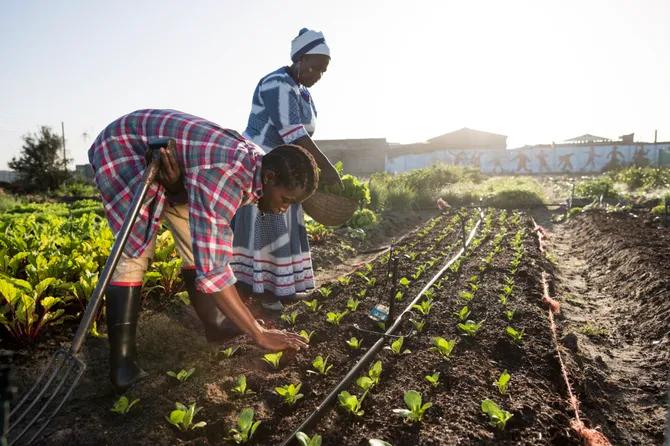
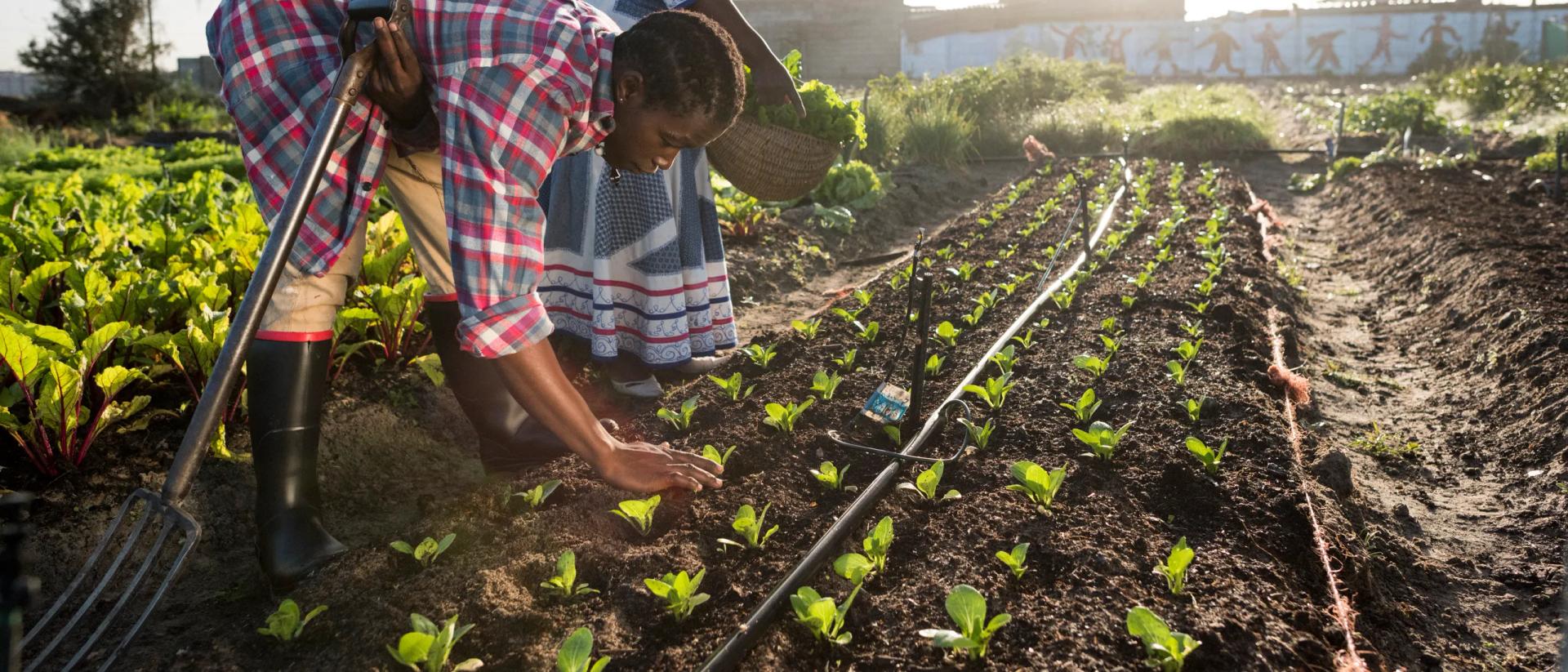
In Southern Ethiopia, food security is threatened by the limited soil nutrient, poor input supply and agronomic management problems. **In particular, majority of the farmers owe small farms, who do not often use fertilizers, as the cost of fertilizer is very high, and accompanied by little in investment return. **Finding alternative method to sustainably supply smallholder farmers with a basket of options to improve their crop production could change the situation and help them improve their income.
To sustainably supply smallholder farmers and improve the production of legume crops, Arba Minch University proposes to use plant growth, promoting rhizobacteria. In Ethiopia, this proven methodology is rarely used and limited to larger cities.
The project aims at designing crop and location specific rhizobial inoculants to use as cost effective bio fertilizers, bringing this technology to smallholder farmers’ field in southern Ethiopia to sustainably improve their livelihoods. Smallholder farmers from 22 provinces will be selected for assessment, trainings and rhizobia collection to acquaint with the rhizobium technology before taking to their fields.
FID’s funding will allow to sort and reorganize laboratory and greenhouse facilities in Arba Minch University in order to explore rhizobia. In order to establish the key lessons from the intervention, the University will conduct survey and assessment of legume cultivation and production in the southern most parts of Ethiopia.
Preliminary analyses revealed significant variability in farm typologies and yield ranges, with widespread but insufficient use of chemical fertilisers and legume production devoted primarily to subsistence consumption. Access to inoculates remains very limited, particularly in remote villages.
FID Preparation funding made it possible to strengthen the capacity of the research laboratory by renovating the laboratory and greenhouses, and to test the production of biostimulants and their quality both in the laboratory and in the field through initial trials. Over 1,000 rhizobia strains were tested on legumes in greenhouse and field conditions. Trials demonstrated improved nodulation, nitrogen fixation, and yields.
Workshops and training sessions conducted within smallholder farms provided specific data on uses, practices, expectations and barriers to be addressed.
Projects
Projects funded by FID
Peru
Democracy and Governance
Training newly-elected mayors to strengthen local governance in Peru

India
Democracy and Governance
Strengthening the political agency of women elected to local government in India

Mexico
Women-men equality
Changing perpetrators' behavior to prevent violence against women in Mexico