
Peru
Democracy and Governance
Training newly-elected mayors to strengthen local governance in Peru
Impact
News and Insights
A literacy program is being evaluated. It aims to teach low- or non-literate adults in Niger to read and write in their mother tongue through "micro-modules" delivered via basic mobile phone technology.
Project led by:
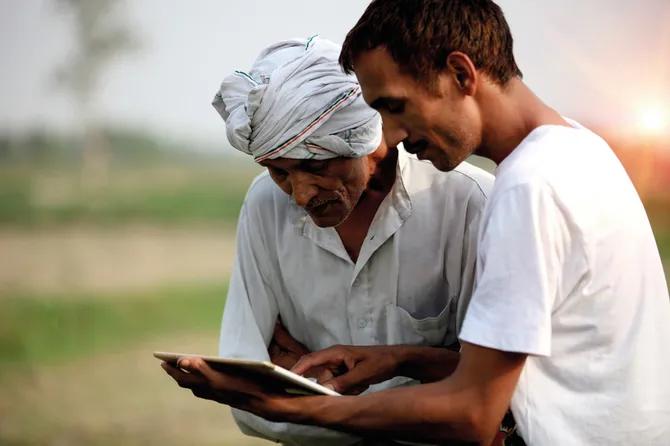
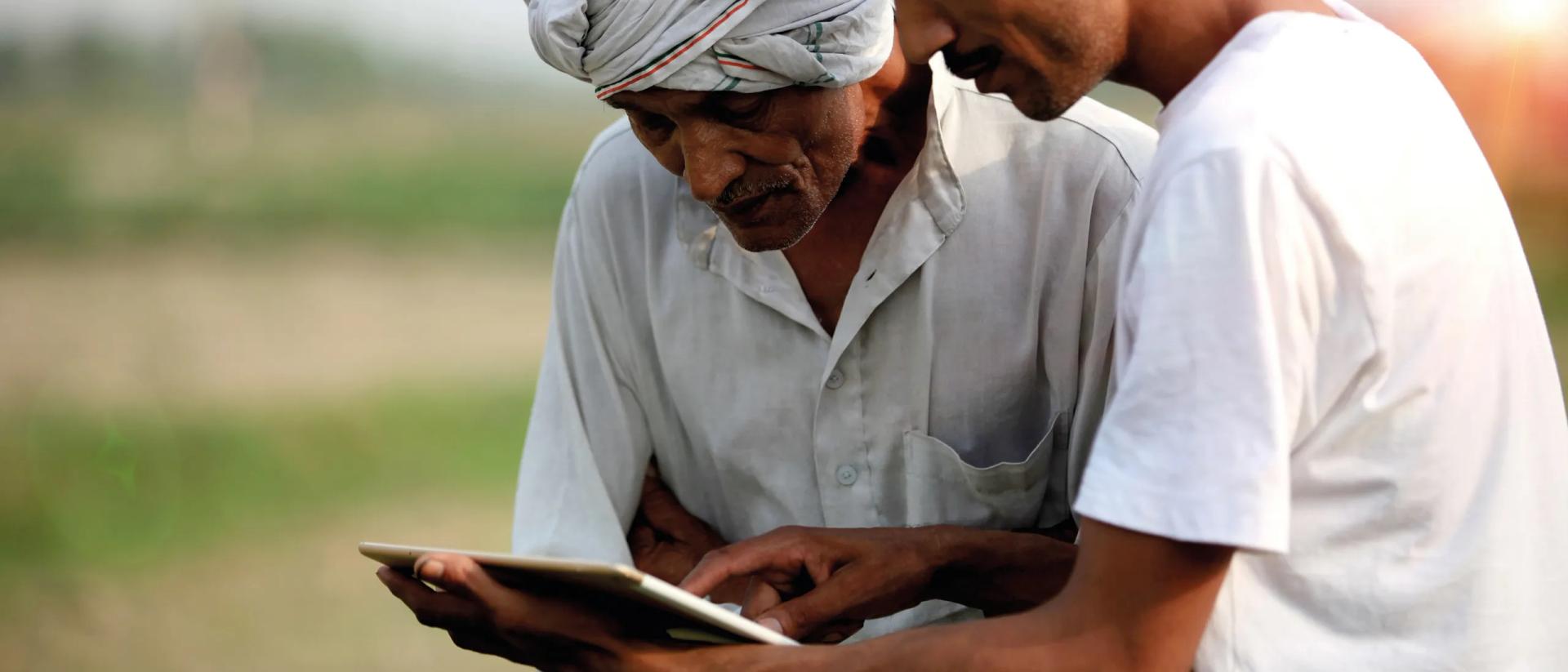
In Niger, adult literacy rates are estimated at 30% (UNDP, 2012). Illiteracy is particularly striking in rural areas and among women, with only 10% of them having ever attended school in certain rural areas. While research efforts in the field have remained limited, studies have shown that traditional programs are characterized by low attendance, high drop-out, limited skills attainment and rapid skills depreciation. Some preliminary evidence also suggests information technologies offer new opportunities to address some of these constraints.
Cell-Ed is a mobile phone-based adult education program that uses a simple mobile phone without teachers, and was initially developed for Spanish speakers in Los Angeles. Cell-Ed’s key advantage as compared to traditional approaches is time saved (about 50 hours, as compared to 480 in a traditional program), flexibility, as adults can learn when, where and how they want, and self-paced learning.
The project aims to pilot and evaluate the impact of Cell-Ed’s mobile phone-based adult education program including both literacy and numeracy training. Adult education classes are delivered through “micro-modules” to learners, which consist of: short audio lessons on a particular concept, SMS reinforcing the voice lesson and SMS-based interactive “quiz” on the recent lesson. The platform will be built in Hausa, which is the primary indigenous language in Niger and northern Nigeria, and piloted in targeted villages to users with low literacy levels. The complete set of modules, which will take an average of 4 months to complete, will equate to one full adult literacy course offered by the Ministry.
Previous studies on this topic have shown that:
To assess the impact of Cell-Ed in Niger, a research team from Tufts University and Sahel Consulting will lead an evaluation focusing on adult learning (reading in Hausa and numeracy) as the primary outcome.
The project team initially translated the Cell-Ed curriculum into the Hausa language and trialled the platform in four villages with 200 adults in preparation for the randomized controlled trial (RCT). The results of a baseline survey and an interim (non-randomized) survey demonstrated an increase in average literacy scores, including improved letter and syllable reading skills among learners who participated in the program.
These results have shown the operational feasibility and potential impact of this program if trialled on a larger scale. However, the project has been put on hold following the decision to halt French public funding in Niger.
Projects
Projects funded by FID
Peru
Democracy and Governance
Training newly-elected mayors to strengthen local governance in Peru

India
Democracy and Governance
Strengthening the political agency of women elected to local government in India

Mexico
Women-men equality
Changing perpetrators' behavior to prevent violence against women in Mexico